What Are Functional Beverages and how do they work?
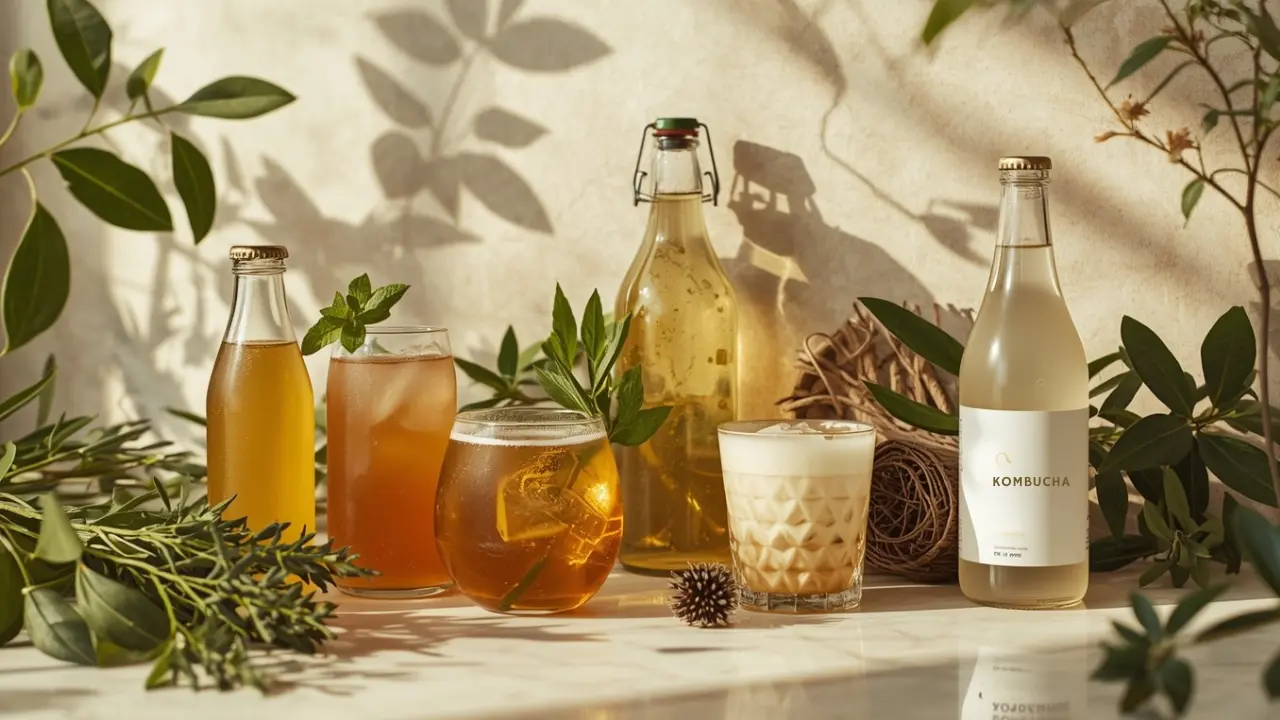
Unlike traditional soft drinks or juices that focus primarily on taste and refreshment, functional beverages contain bioactive compounds—such as adaptogens, nootropics, probiotics, or amino acids—intended to support specific outcomes like improved focus, better digestion, sustained energy, or stress relief.
Think of them as the intersection between beverages and wellness: a kombucha that supports gut health, an energy drink with L-theanine for calm alertness, or a botanical blend formulated to enhance mood and sociability.
But not all "functional" drinks are created equal—and understanding what makes a beverage truly functional, which ingredients actually work, and how to evaluate quality claims is essential for making informed choices.
In this guide, we'll break down what defines a functional beverage, explore the main categories and ingredients, examine whether they actually deliver on their promises, and help you navigate an increasingly crowded market.
What Makes a Beverage 'Functional'
Not every drink with added vitamins qualifies as functional. The distinction lies in formulation intent and targeted outcomes.
A functional beverage is specifically designed around bioactive ingredients at effective dosages to produce measurable physiological or cognitive effects. It's not just fortified with nutrients as an afterthought—the entire product is built around delivering a particular benefit.
Key characteristics include:
Bioactive ingredients: Compounds that interact with your body's systems—adaptogens that modulate stress response, nootropics that support cognitive function, probiotics that influence gut microbiome health.
Therapeutic or performance intent: The drink is consumed for a specific reason beyond taste or basic nutrition—to improve focus, aid recovery, promote relaxation, or enhance social ease.
Effective dosing: Ingredients are present in amounts shown by research to be effective, not just token amounts for label appeal.
Transparency: Quality functional beverages clearly list ingredient amounts and sources, not hiding behind proprietary blends.
This distinguishes functional beverages from simply flavored water with a vitamin boost, or a juice with added fiber.
The formulation is deliberate, the outcome is targeted, and the ingredients are chosen based on their biological activity rather than marketing appeal alone.
Types of Functional Beverages
The functional beverage landscape is diverse, spanning multiple categories based on the benefits they target. Here's a breakdown of the main types:
Cognitive & Mood Support
These beverages aim to enhance mental clarity, focus, mood, or social ease. They often contain nootropics like L-theanine, botanicals like Rhodiola rosea, or functional mushrooms like Lion's Mane.
Some are designed as alcohol alternatives for social settings, providing a sense of relaxation or openness without intoxication.
Examples: Nootropic drinks, social tonics, adaptogenic elixirs
Gut Health & Digestion
Formulated with probiotics (beneficial bacteria), prebiotics (fiber that feeds good bacteria), or digestive enzymes.
These drinks support microbiome diversity, aid digestion, and may influence immune function and even mood through the gut-brain axis.
Examples: Kombucha, kefir drinks, probiotic sodas
Energy & Performance
Unlike conventional energy drinks that rely solely on high caffeine and sugar, functional energy beverages often combine natural caffeine sources with ingredients that support sustained energy, like B-vitamins, green tea extract, or amino acids.
Some focus on physical performance with added electrolytes or BCAAs.
Examples: Clean energy drinks, pre-workout beverages, performance waters
Relaxation & Sleep Support
Designed to promote calm, reduce stress, or improve sleep quality. Common ingredients include magnesium, ashwagandha, chamomile, valerian root, or GABA.
These drinks are often positioned as evening rituals or stress-relief alternatives.
Examples: Relaxation drinks, sleep tonics, calming teas with functional additions
Hydration & Recovery
Beyond plain water, these beverages optimize hydration with electrolytes, minerals, and sometimes additional recovery compounds like amino acids or antioxidants.
Popular with athletes and anyone seeking optimal hydration after exercise, travel, or illness.
Examples: Electrolyte waters, coconut water blends, recovery drinks
Immune Support
Formulated with vitamins (C, D), minerals (zinc), antioxidants, or botanicals like elderberry and echinacea.
These drinks aim to support immune function, particularly during cold and flu season or periods of high stress.
Examples: Immunity shots, fortified wellness drinks
Common Functional Ingredients & What They Do
Understanding what's in your functional beverage helps you evaluate whether it's likely to deliver on its promises. Here are some of the most common ingredients and their intended effects:
Adaptogens (Rhodiola, Ashwagandha, Holy Basil): Plant compounds that help the body adapt to stress by modulating cortisol and supporting resilience. They're used for stress management, mood balance, and sustained energy.
Nootropics (L-theanine, Lion's Mane, Bacopa): Substances that support cognitive function—focus, memory, mental clarity, or creativity. L-theanine, for instance, promotes calm alertness and is often paired with caffeine to smooth out jitters.
Amino Acids (L-theanine, GABA, Taurine): Building blocks of proteins that can influence neurotransmitter activity. GABA supports relaxation, while taurine is often found in energy drinks for its potential role in energy metabolism and focus.
Probiotics & Prebiotics: Live beneficial bacteria and the fibers that feed them. They support gut health, which has cascading effects on digestion, immunity, and even mood and cognition via the gut-brain axis.
Electrolytes (Sodium, Potassium, Magnesium): Minerals essential for hydration, nerve function, and muscle contraction. Proper electrolyte balance supports physical performance and recovery.
Botanical Extracts (Ginseng, Ginkgo Biloba, Turmeric): Plant-based compounds with various traditional and emerging uses—energy, circulation, anti-inflammatory effects, cognitive support.
Vitamins & Minerals: Often included to support specific functions—B-vitamins for energy metabolism, Vitamin C and Zinc for immune health, Vitamin D for mood and immunity.
The effectiveness of these ingredients depends heavily on dosage, quality, and bioavailability—how well your body can absorb and use them.
Do Functional Beverages Actually Work?
This is the question that matters most. The answer: it depends.
The Evidence Spectrum
Functional beverages exist on a spectrum of scientific support. Some ingredients have robust clinical research backing their effectiveness—like caffeine for alertness, probiotics for gut health, or electrolytes for hydration.
Others have traditional use and emerging science but less definitive proof. And some are included primarily for marketing appeal with minimal evidence of benefit.
What determines whether a functional beverage works:
Dosage matters: Many functional drinks contain ingredients at doses far below what research shows to be effective. A drink with 5mg of an adaptogen that requires 300mg to show benefits is essentially decorative. Look for products that disclose ingredient amounts and compare them to studied doses.
Quality and bioavailability: Not all forms of an ingredient are equally absorbable. The source, extraction method, and formulation can dramatically affect whether your body can actually use what's in the bottle.
Individual variation: Genetics, gut health, diet, and lifestyle all influence how you respond to functional ingredients. What works remarkably for one person may do little for another. This is especially true for adaptogens and nootropics.
Timeframe expectations: Some ingredients work acutely (you feel effects within an hour), while others require consistent use over weeks to show benefits. Probiotics, for instance, need regular consumption to influence gut microbiome composition.
Realistic outcomes: Functional beverages can support wellbeing, enhance performance at the margins, or complement healthy habits—but they're not pharmaceutical interventions. A focus drink won't replace sleep. A relaxation tonic won't cure chronic anxiety. Set expectations accordingly.
Red Flags for Ineffective Products
When evaluating functional beverages, watch out for these warning signs:
Proprietary blends that hide ingredient amounts
Outlandish health claims without supporting research—terms like "detoxifies" or "boosts immunity" without specificity
Ingredients present only in trace amounts —check that dosages align with research
Heavy reliance on sugar or caffeine to create a "felt effect" rather than the functional ingredients doing the work
Excessive sugar that undermines the health benefits you're seeking
Synthetic additives —artificial colors, flavors, and preservatives that contradict natural wellness positioning
Too many functions —a beverage trying to do everything (energy, focus, gut health, immunity, beauty) likely does none particularly well
Pivot's Approach to Functional Beverages
At Pivot Tonics, we've built our social tonic around a clear philosophy: natural functionality that genuinely enhances how you feel, formulated with integrity and transparency.
Our focus is on natural nootropics and botanicals that support sociability, mood balance, and mental clarity—without synthetic stimulants, artificial ingredients, or excessive caffeine.
We believe functional beverages should enhance your natural state, not create artificial highs or disrupt your body's rhythms.
We prioritize:
Effective dosing: Ingredients are present at levels shown by research to deliver meaningful benefits, not token amounts for marketing appeal.
Quality sourcing: We use premium extracts and botanicals, carefully selected for purity and bioavailability.
Transparency: You know exactly what's in every bottle and why it's there.
Daily use design: Pivot is formulated for regular consumption as part of a balanced lifestyle, not as a short-term fix or intense stimulant.
Thoughtful Function Stacking
Rather than loading our formula with dozens of trendy ingredients, we practice function stacking—carefully combining complementary compounds that work synergistically to enhance specific outcomes. Each ingredient in Pivot is chosen not just for its individual benefits, but for how it interacts with the others in the formulation.
This approach means ingredients can enhance each other's effects, improve absorption, or balance potential side effects.
For example, pairing certain nootropics with adaptogens can provide mental clarity while simultaneously supporting stress resilience—creating a more balanced, sustainable effect than either ingredient alone.
Function stacking is about precision, not quantity. It's the difference between throwing everything at the wall to see what sticks, and thoughtfully architecting a formulation where each component has a clear role in achieving the intended experience.
Conclusion: A New Kind of Drink Culture
Functional beverages represent a shift toward greater consciousness in our consumption—drinks chosen not just for taste or convenience, but for how they make us feel and function.
Functional beverages are an evolution in how we think about what we put in our bodies. As consumers become more informed and discerning, the category will continue to mature, with quality and efficacy separating meaningful products from marketing gimmicks.
Whether you're seeking better focus, improved gut health, sustained energy, or simply a more mindful alternative for social moments, there's likely a functional beverage formulated with you in mind. The key is knowing what to look for, what actually works, and which products are worth your investment.
The glass in your hand can be more than refreshment. With the right choice, it can be support for the life you're building—one intentional sip at a time.